





Excerpt
Introduction
A marine biologist is someone who studies everything related to the ocean. Think about how huge the ocean is—it covers more than 70% of the Earth's surface! That’s a lot to study. It could be anything from tiny plankton that drift in the water to massive whales that travel thousands of miles each year. Marine biologists are the detectives of the ocean. They solve mysteries about how marine life survives, how ecosystems work together, and how humans can keep the ocean healthy. They’re the ones who figure out why coral reefs are dying or why sharks are important even though they seem scary.
But what does a marine biologist actually do every day? It depends on what part of the ocean they’re interested in. Some marine biologists work in labs, studying samples of water or tiny creatures under a microscope. These scientists may not always need to go out to sea; instead, they can learn a lot just by studying what they bring back from the ocean. In a lab, a marine biologist might look at a drop of water from the ocean and see a whole world of tiny creatures—microscopic animals and plants that are invisible to the naked eye but incredibly important to marine life. These tiny organisms are like the foundation of the ocean food web, feeding fish, which then feed larger predators. If you’ve ever heard of phytoplankton, they’re like the grass of the ocean—without them, most marine life wouldn’t survive.
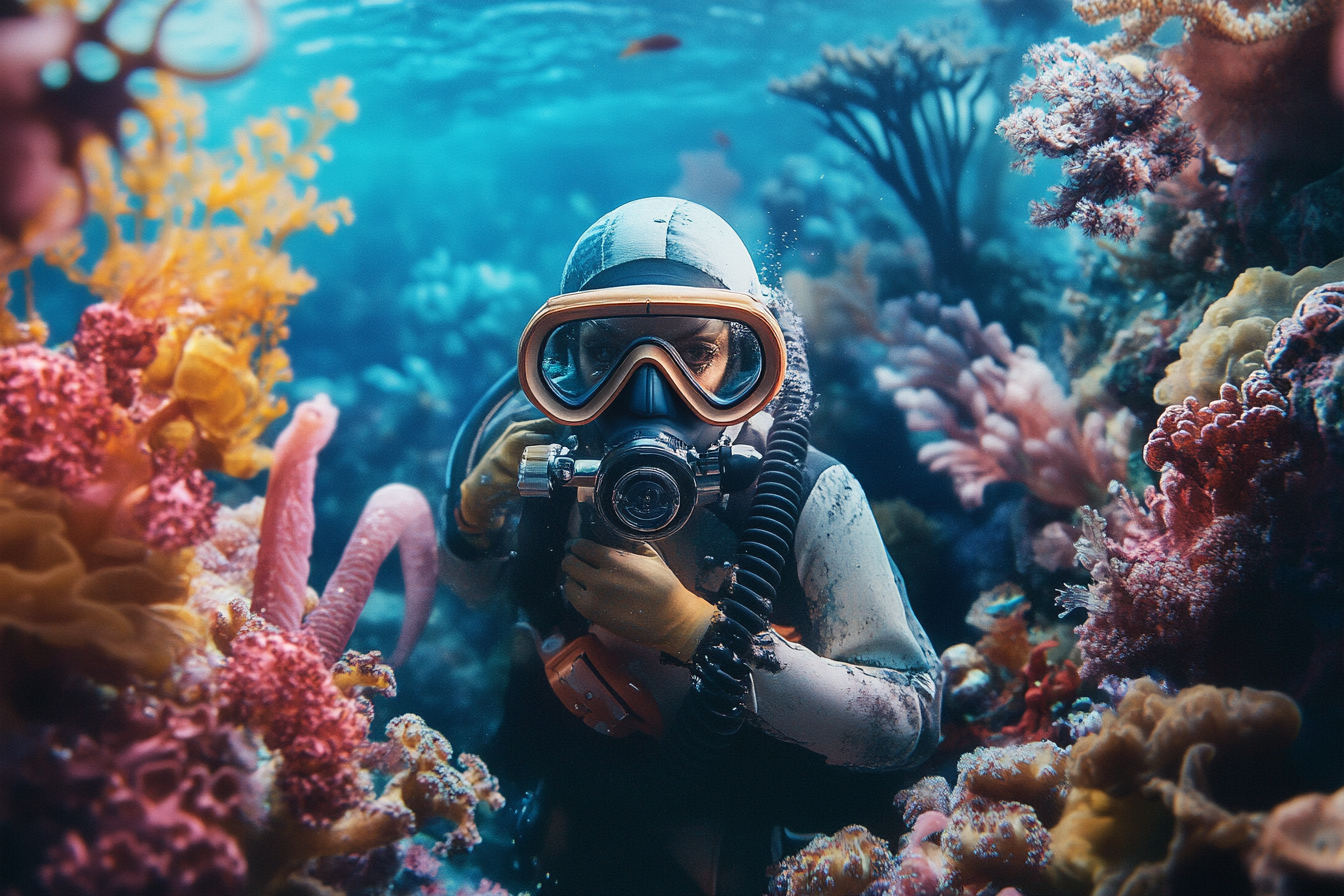
Other marine biologists spend their days right in the thick of things—out on the ocean. Picture a boat cutting through the waves, carrying scientists on their way to study dolphins, whales, or fish in their natural environment. These marine biologists need to be great observers, watching how animals behave, how they interact with each other, and how their habitats might be changing. Imagine watching a pod of dolphins leap and spin in the air, or tracking a sea turtle as it glides through the water on a long journey. Marine biologists take detailed notes, photos, and videos of what they see so they can understand more about the lives of these creatures.
Sometimes, marine biologists have to tag animals to learn where they travel or how they behave. Have you ever wondered how scientists know where sharks go when they swim across oceans? It’s because they attach special tags to the sharks that send signals back to the researchers. These tags don’t hurt the animals, but they give marine biologists a way to follow them as they travel thousands of miles across the seas. Knowing where animals go can help scientists figure out which parts of the ocean need extra protection or how climate change is affecting the animals’ migration patterns.
Marine biologists also spend time studying ecosystems, which are like the neighborhoods where different animals live. The ocean has many kinds of ecosystems, from shallow coral reefs bursting with life to deep, dark trenches where strange, glowing creatures live. Each ecosystem is unique, and marine biologists are often trying to figure out how the animals and plants in these environments depend on each other. For example, coral reefs provide shelter for fish, and in return, some fish help clean the reef by eating algae. It’s like teamwork, and when one part of the ecosystem is in trouble, the whole system can suffer. Marine biologists help us understand these relationships and work to protect them.
One of the coolest things about being a marine biologist is discovering something completely new. Even though humans have explored the ocean for thousands of years, there are still parts of it that are a total mystery. The deep sea, in particular, is like another planet. Very few people have ever been there because the pressure is so strong and the light doesn’t reach that far down. But marine biologists use special submersibles—small submarines that can withstand the crushing pressure—to go down and explore these deep, dark waters. Down there, they find creatures that look like they belong in a science fiction movie. Giant squids, fish with see-through heads, and glowing jellyfish all live in the depths of the ocean. Every trip to the deep sea can reveal new species that no one has ever seen before. Imagine being the first person to discover a brand-new creature—what an adventure!
But it’s not all about discovering new animals. Marine biologists are also deeply involved in protecting the ocean. Over the years, humans have caused many problems for marine environments—like pollution, overfishing, and climate change. Plastic trash that ends up in the ocean can be harmful to marine animals, especially turtles, birds, and fish, which might mistake it for food. Overfishing can cause species to disappear from certain areas, and warming waters due to climate change can destroy coral reefs and disrupt entire ecosystems. Marine biologists are on the frontlines of trying to solve these problems. They work to figure out how we can reduce pollution, protect endangered species, and create marine protected areas where fish and other sea creatures can thrive without human interference.
One way marine biologists are helping is by studying climate change and how it affects the ocean. As the Earth gets warmer, the ocean does too, and this causes big changes for marine life. Coral reefs, for example, are very sensitive to temperature changes, and when the water gets too warm, the corals can become stressed and die in a process called coral bleaching. Marine biologists study how this happens and what can be done to prevent it. They might also study the effects of rising sea levels, ocean acidification, and how the melting of polar ice is changing the habitats of animals like penguins and polar bears.
If you’re someone who loves the ocean and cares about the environment, you might already be thinking about how cool it would be to help protect it. The good news is that there are lots of ways to get involved, even if you’re not a marine biologist yet. Marine biologists often say that one of the best things you can do is just get curious about the ocean. That might mean visiting an aquarium to learn more about marine life, or it could mean participating in a beach cleanup to help reduce plastic pollution. By learning about the ocean and sharing what you’ve learned with others, you’re already helping protect the marine environment.
In the end, being a marine biologist is about more than just studying fish or exploring coral reefs. It’s about understanding how the ocean works and how it connects to everything else on Earth. Marine biologists are always asking questions—why does this happen? How does this animal survive? What can we do to help? And by finding the answers, they’re not only uncovering the secrets of the deep, but they’re also helping to ensure that the ocean remains healthy and full of life for future generations.
A marine biologist is someone who studies everything related to the ocean. Think about how huge the ocean is—it covers more than 70% of the Earth's surface! That’s a lot to study. It could be anything from tiny plankton that drift in the water to massive whales that travel thousands of miles each year. Marine biologists are the detectives of the ocean. They solve mysteries about how marine life survives, how ecosystems work together, and how humans can keep the ocean healthy. They’re the ones who figure out why coral reefs are dying or why sharks are important even though they seem scary.
But what does a marine biologist actually do every day? It depends on what part of the ocean they’re interested in. Some marine biologists work in labs, studying samples of water or tiny creatures under a microscope. These scientists may not always need to go out to sea; instead, they can learn a lot just by studying what they bring back from the ocean. In a lab, a marine biologist might look at a drop of water from the ocean and see a whole world of tiny creatures—microscopic animals and plants that are invisible to the naked eye but incredibly important to marine life. These tiny organisms are like the foundation of the ocean food web, feeding fish, which then feed larger predators. If you’ve ever heard of phytoplankton, they’re like the grass of the ocean—without them, most marine life wouldn’t survive.
Other marine biologists spend their days right in the thick of things—out on the ocean. Picture a boat cutting through the waves, carrying scientists on their way to study dolphins, whales, or fish in their natural environment. These marine biologists need to be great observers, watching how animals behave, how they interact with each other, and how their habitats might be changing. Imagine watching a pod of dolphins leap and spin in the air, or tracking a sea turtle as it glides through the water on a long journey. Marine biologists take detailed notes, photos, and videos of what they see so they can understand more about the lives of these creatures.
Sometimes, marine biologists have to tag animals to learn where they travel or how they behave. Have you ever wondered how scientists know where sharks go when they swim across oceans? It’s because they attach special tags to the sharks that send signals back to the researchers. These tags don’t hurt the animals, but they give marine biologists a way to follow them as they travel thousands of miles across the seas. Knowing where animals go can help scientists figure out which parts of the ocean need extra protection or how climate change is affecting the animals’ migration patterns.
Marine biologists also spend time studying ecosystems, which are like the neighborhoods where different animals live. The ocean has many kinds of ecosystems, from shallow coral reefs bursting with life to deep, dark trenches where strange, glowing creatures live. Each ecosystem is unique, and marine biologists are often trying to figure out how the animals and plants in these environments depend on each other. For example, coral reefs provide shelter for fish, and in return, some fish help clean the reef by eating algae. It’s like teamwork, and when one part of the ecosystem is in trouble, the whole system can suffer. Marine biologists help us understand these relationships and work to protect them.
One of the coolest things about being a marine biologist is discovering something completely new. Even though humans have explored the ocean for thousands of years, there are still parts of it that are a total mystery. The deep sea, in particular, is like another planet. Very few people have ever been there because the pressure is so strong and the light doesn’t reach that far down. But marine biologists use special submersibles—small submarines that can withstand the crushing pressure—to go down and explore these deep, dark waters. Down there, they find creatures that look like they belong in a science fiction movie. Giant squids, fish with see-through heads, and glowing jellyfish all live in the depths of the ocean. Every trip to the deep sea can reveal new species that no one has ever seen before. Imagine being the first person to discover a brand-new creature—what an adventure!
But it’s not all about discovering new animals. Marine biologists are also deeply involved in protecting the ocean. Over the years, humans have caused many problems for marine environments—like pollution, overfishing, and climate change. Plastic trash that ends up in the ocean can be harmful to marine animals, especially turtles, birds, and fish, which might mistake it for food. Overfishing can cause species to disappear from certain areas, and warming waters due to climate change can destroy coral reefs and disrupt entire ecosystems. Marine biologists are on the frontlines of trying to solve these problems. They work to figure out how we can reduce pollution, protect endangered species, and create marine protected areas where fish and other sea creatures can thrive without human interference.
One way marine biologists are helping is by studying climate change and how it affects the ocean. As the Earth gets warmer, the ocean does too, and this causes big changes for marine life. Coral reefs, for example, are very sensitive to temperature changes, and when the water gets too warm, the corals can become stressed and die in a process called coral bleaching. Marine biologists study how this happens and what can be done to prevent it. They might also study the effects of rising sea levels, ocean acidification, and how the melting of polar ice is changing the habitats of animals like penguins and polar bears.
If you’re someone who loves the ocean and cares about the environment, you might already be thinking about how cool it would be to help protect it. The good news is that there are lots of ways to get involved, even if you’re not a marine biologist yet. Marine biologists often say that one of the best things you can do is just get curious about the ocean. That might mean visiting an aquarium to learn more about marine life, or it could mean participating in a beach cleanup to help reduce plastic pollution. By learning about the ocean and sharing what you’ve learned with others, you’re already helping protect the marine environment.
In the end, being a marine biologist is about more than just studying fish or exploring coral reefs. It’s about understanding how the ocean works and how it connects to everything else on Earth. Marine biologists are always asking questions—why does this happen? How does this animal survive? What can we do to help? And by finding the answers, they’re not only uncovering the secrets of the deep, but they’re also helping to ensure that the ocean remains healthy and full of life for future generations.